Home
Safari Planning>
Animals>
Destinations>
Safari Itineraries
Safari Blog>
About/Contact>

Africa Safari Blog


Planning a Quality East African Safari

Monday, 9 May 2011 06:39 by BillGiven

Photo of Hyenas on a night drive
Photo of Hyenas during a night drive on the Big Cat Safari
©Bill Given


Webmaster Note: The content presented here was borrowed from the most recent newsletter. The content was so in depth that I thought it should be shared with the safari blog readers who aren't receiving the newsletter. You can sign up for the roar here.

In my early safari days, Kenya and the Masai Mara was not appealing as I'd heard stories and seen photos of huge numbers of vehicles at a sighting, to the point where it prevented the behavior of the animals. I subsequently have learned the ways to take advantage of the unrivaled animal concentrations of Tanzania and Kenya but yet avoid crowds and have stellar wilderness for surrounds.

My Big Cat group trip was a huge measuring stick to see how well I have mastered these principles as four members of the group had a whopping 60 or so safaris between them but of that mighty number only one person had done a safari in East Africa and that was just a single visit many years ago. Like me, these folks are aficionados of enjoying their wildlife in pristine wilderness and unencumbered by other vehicles and thus confined their annual visits to Botswana, Zambia and Namibia. In the end all confessed to being overwhelmed by the classic East Africa safari that we did, surprised by the quality of the guiding as well as the staggering numbers of animals and the immense landscapes that we often had all to ourselves.

East Africa Safari Philosophy

Photo of leopard cub in a tree
Photo of a leopard cub in a tree on the Big Cat Safari
©Bill Given


One core philosophy I have for East Africa is you don't have to do the circuit. The Serengeti and the Masai Mara have unrivaled quantities of game and thus that's the region I like to concentrate on. Most itineraries run from park to park, following the crowds and then have only 2 or 3 nights in the prime areas.

For the deep wildlife enthusiast, especially photographers, it can make sense to concentrate in the best wildlife area. Thus for our trip we flew right to the Serengeti. Instead of splitting time between a number of parks, I divided our time between three prime locations in Tanzania's portion of the Serengeti ecosystem. With the game drives between those locations we covered the majority of prime territory for the season. Then we flew to the Mara region which is really just the northern extent of the same Serengeti system but was a very different and complementary environment to the parts of the Serengeti we experienced. The safari was 10 nights in total (half stayed on for a 11th) but every single day was within a prime wildlife area.

Mobile Camps

Utilizing a mobile camp is a terrific way to have large swaths of the Serengeti to yourself. It requires a party of 4 to make the costs approximate the excellent seasonal camps but what could be better than having your own classic safari camp for just your party that moves locations with you and allows you access to campsites that are far away from anyone else.

We had a mobile in two different locations and they served different purposes. The first was in the heart of the Serengeti, the enchanting Moru Kopjes, where there was some vehicle traffic around but because they all had to sleep somewhere away from our area we would have it all to ourselves early and late in the day - the prime hours.

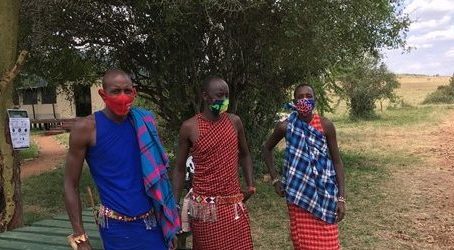
Our second camp was out on the Eastern plains and from the time we exited the Naabi Hill Gate we would not see another vehicle for close to 2 days, providing us with an amazing exclusivity with only the company of thousands of animals and a local Massai boma, home to the elder in charge of our spectacularly private campsite at Nasera Rock.

Avoiding Crowds in the Masai Mara

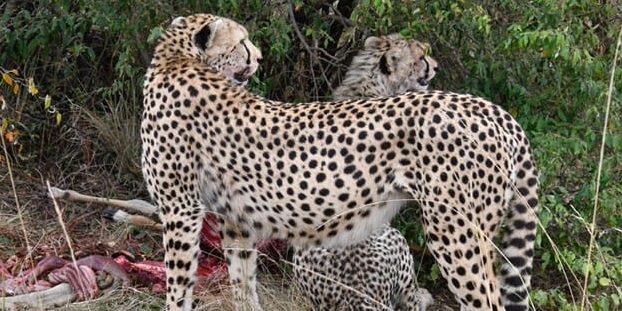
Photo of Cheetah Siblings Taken During the Big Cat Safari
©Bill Given


In the Masai Mara Reserve the crowding can be downright scary and definitely not the quality that I like to deliver on safaris. However, in recent years the creation of low density tourism conservancies adjacent to the Mara Reserve has provided the ideal opportunity for those who value the quality of having exclusive wildlife viewing.

Utilizing these areas it is absolutely possible to experience the splendor of the Mara quantities of animals and its exquisite landscapes but have your game viewing largely to yourself, all the while supporting an outstanding conservation initiative.

Mara Plains Camp, Offbeat Mara Camp

The Olare Orok Conservancy has been particularly productive for me with Mara Plains Camp. The neighboring Mara North Conservancy is excellent and I particularly like Offbeat Mara Camp as it has the ideal position within that Conservancy and is one of the best value safari camps anywhere in Africa. Now an additional conservancy, Naboisho is going to offer a similarly high quality experience. Within the conservancies you can off road and night drive making it a very similar quality experience to what is found in Southern Africa.

We Were Able to Avoid Situations Like These...

I stayed on for extra nights at Mara Plains and as we had to enter the Mara Reserve to drop guests at the airstrip we went for a quick look for one of the Big Cat Diary (TV series) leopards named Olive and her six month old cub who are normally nearby. Sure enough we found them instantly, with a paparazzi like horde of vehicles lined up to view them. Vehicles constantly arrived and departed but the total number fluctuated between 25 and 30. We felt like we could not even breathe as the wind rocked a tree back and forth with this little cub holding on for life and not confident to descend to his mother as the carloads of humans gawked at him. After a brief visit off we went and tried to forget what would have been a highlight sighting in many other locations but would be a lowlight for this safari.

Flip forward half a day to my final game drive at Mara Plains. We come across a pride of six lions feasting on a zebra. We share the sighting only with hyenas and jackals that look to run off with a piece of the meal whenever they can get away with it. It is the pinnacle safari experience, seeing magnificent species displaying their natural behaviors and interacting with one another as if we do not exist. This trip was a resounding demonstration that such glorious safari quality can be achieved in East Africa's popular areas, it just has to be planned with care.

Photos from just the Mara Plains portion of the safari are here.

A Day on Safari in Tanzania

Tuesday, 7 September 2010 11:30 by BillGiven

I just received a satellite phone call from clients in the very remote Mahale National Park, Tanzania they were so ecstatic about their incredible day on safari in Tanzania that they had to call and share it with me.

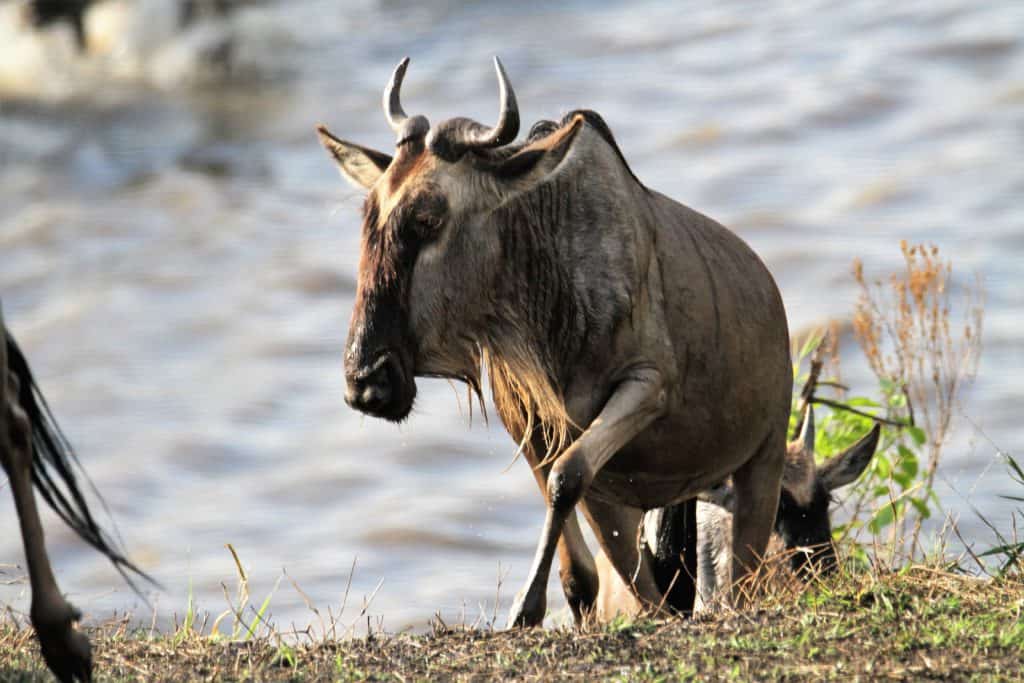
Photo of Wildebeest crossing the Mara River during Great Migration
Great migration river crossings are possibly nature’s most dramatic viewable event.
Photo courtesy of Asilia Africa.


This morning marked the end of their 3 nights at Sayari Camp. Sayari Camp is ideally located to view migration crossings of the Mara River. Having seen some small crossings over the last couple days there were masses of animals building last night but they never crossed. The guide rushed back this morning and just in time to see the mighty movement of thousands and thousands of wildebeest and zebra swimming across the Mara River.

They were still coming after more than an hour when the clients needed to head to the airstrip. Crocodiles were picking off prey left and right, even territorial hippos were charging wildebeest. It was every bit the drama and excitement that the great films have recorded and unlike the Mara River in Kenya there were not dozens of vehicles at this crossing, the Northern Serengeti still delivers such sightings without the crowds and thus adds the full wilderness feel to this spectacle. Beyond the migration the clients saw lions make a kill and black rhino among many highlights.

Only in Tanzania could you see this kind of spectacle and then come face to face with our closest living relative in the afternoon!

Photo of a Chimpanzee in Mahale National Park
Orion, one of the up and coming males in the M group of chimpanzees.
© Bill Given


After a flight from the Serengeti to the shores of Lake Tanganyika the clients then traveled down the gorgeous lake by boat to arrive at Greystoke Camp. Typically you chimp trek each morning but wanting to stretch their legs the clients decided to go for a little jungle hike but they didn’t get far before the guide was radioed that chimpanzees had shown up right in Greystoke Camp! They immediately proceeded back and were rewarded with 30 minutes of face to face time with the chimps at Greystoke.

What a day, migration crossing in the morning and chimps in the afternoon. One day, one country, but two lifetime spectacles!

Connect and Interact with The Wild Source!

Be a Facebook Fan!

The Roar!

The Wild Source Videos


Promote Your Page Too


Sign Up Now!

The Wild Source's monthly newsletter gives you the latest news on wildlife, camps, itineraries, and safari specials each month!


See Our Videos!

The Wild Source's Africa Video Channel - safari videos taken by The Wild Source founder Bill Given

Tags:   ,
Categories:   African wildlife
Actions:   E-mail | del.icio.us | Permalink | Comments (0) | Comment RSSRSS comment feed

Real Serengeti Premiers on National Geographic Wild Channel

Monday, 23 August 2010 14:14 by BillGiven

Film makers were Guided by The Wild Source's Deo Magoye

A partner in The Wild Source Tanzania operation and an extraordinary guide, Deo Magoye served as the head guide for a National Geographic film crew documenting the annual movements of the great migration of approximately two million wildebeest, zebra and gazelles through the Serengeti ecosystem. The film just premiered on NatGeo Wild on August 19th, it next airs on August 26th and will hopefully be featured more in the months to come so set your DVR.

I was very excited to see the film for the first time after Deo had shared many stories of the filming with me. He was particularly proud of the night sequences they captured of lions hunting. Serengeti park rules dictate that you must be in camp by dark so with the special permission for filming, he is one of the few that has guided deep into the Serengeti night and I think all will agree the results are exceptional.

There are a number of excellent hunting sequences in the film as well as dramatic river crossings. Overall it is a very good film to learn about the phenomenal event that is the great migration and how it is the driving force of the Serengeti ecosystem. As the film ends be sure to notice on the very first list of credits along with the Serengeti lion researcher and renowned animal behavior expert Richard Estes is Deo Magoye.

Get The Roar! - TheWildSource.com's monthly newsletter.

The Wild Source's Africa Video Channel - safari videos taken by The Wild Source founder Bill Given

Subscribe   
Bookmark and Share

Eastern Black Rhino Released into Serengeti

Thursday, 27 May 2010 13:01 by BillGiven

Photo of a black rhinoceros


The first five of a planned thirty-two Eastern black rhinoceros were released into the Singita Grumeti Reserve on May 21st. The Singita Grumeti Reserve is a 340,000 acre private reserve that borders the Serengeti National park. This area is a huge conservation success story as it is a vital piece of land outside the park that large numbers of the great migration pass through and it was an area that suffered from rampant poaching. The establishment of successful tourism with Sasakwa Lodge, Sabora Tented Camp, and Faru Faru Lodge has brought significant protection to the area and adding rhino will be a significant action to this success.

Get The Roar! - TheWildSource.com's monthly newsletter.

The Wild Source's Africa Video Channel - safari videos taken by The Wild Source founder Bill Given

Subscribe   
Bookmark and Share

Chimpanzee Trekking in Mahale

Monday, 24 May 2010 13:26 by BillGiven

Follow the lives of the M Group with the Kungwe Mahale Blog

Photo of Chimpanzee Grooming taken while on a chimp trek
Grooming is an essential part of bonding in chimp society. Here Orion is groomed by Darwin.
© Bill Given


Chimp Trekking in Tanzania is truly fantastic.I find Mahale to be the most magical place that I have been and of course the central focus of the experience is trekking with the chimpanzees. M Group consists of approximately 60 chimps and the guides know each one by facial recognition and they can tell you about how old they are, their personality and their politics – for more on chimpanzee politics read my article published in Africa Geographic.

Photo of a baby chimp taken while chimp trekking
The behaviors and similarities we see to ourselves is what makes chimp trekking the ultimate wildlife experience.
© Bill Given


Because of the known identities of the chimps and their intricate society they are perhaps the most interesting group of animals in Africa to read about. Since November 2008 an excellent blog has been produced by Greystoke Mahale following the lives of the chimps and other aspects of Mahale. Now the other resident camp in the area, Kungwe Beach Lodge, has launched a new blog giving us chimp fanatics two ways to keep up with the happenings of the M Group.

Get The Roar! - TheWildSource.com's monthly newsletter.

The Wild Source's Africa Video Channel - safari videos taken by The Wild Source founder Bill Given

Subscribe   
Bookmark and Share