
By Annie Garner, Safari Specialist for The Wild Source
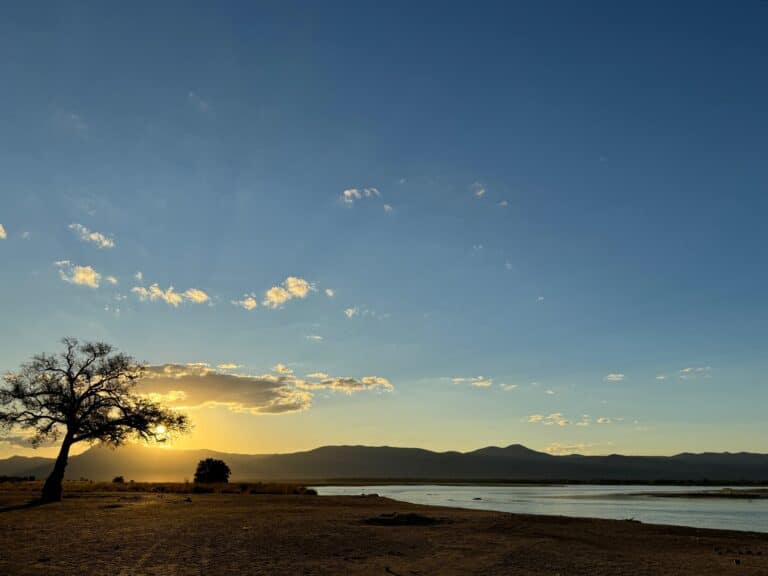
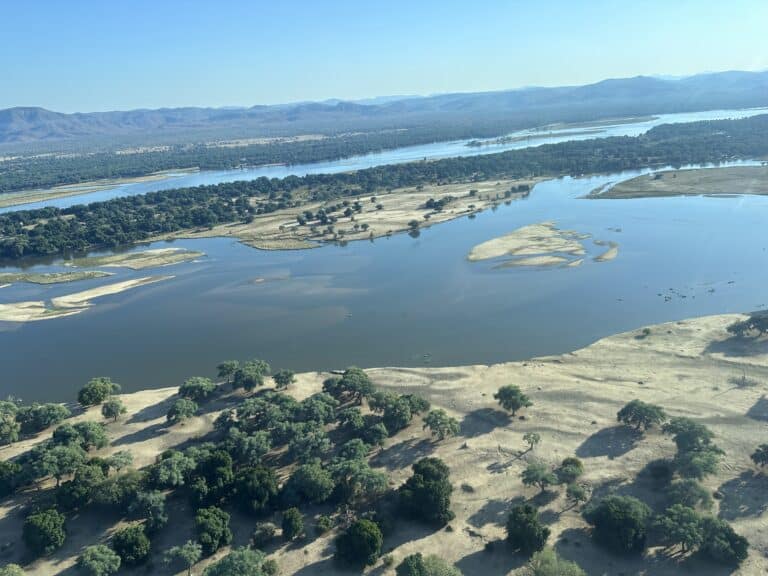
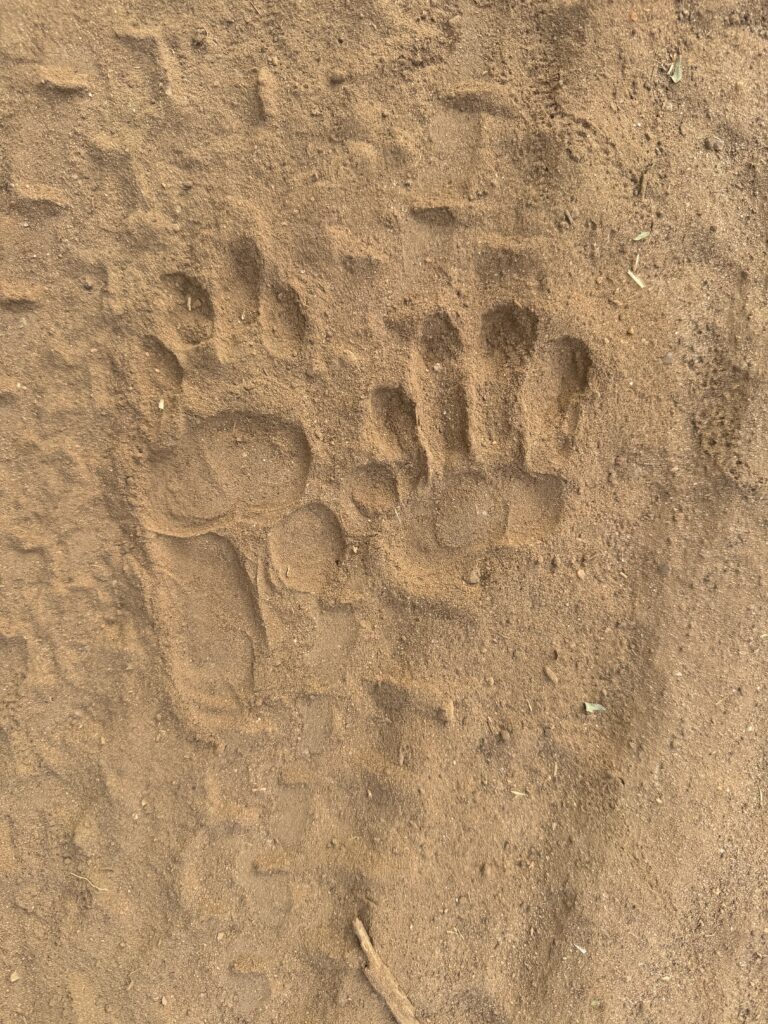
I visited Zimbabwe’s Mana Pools National Park in June 2024, and was the first team member from The Wild Source to do so! The park is set on the stunning Zambezi River, with lovely views across the river into Zambia’s Lower Zambezi National Park and the escarpment beyond. It is quite a large park, at some 2,600 square miles, and the terrain is really beautiful and unlike anywhere else I have been in Africa; it is an ancient forest with massive baobab, ebony, mahogany, and fig trees.This is in contrast to Lower Zambezi, where the forest is a much younger winterthorn forest, despite being just across the river. Large swaths of the park have no vegetation on the ground, which makes it a good place for tracking. There are 4 “pools” in the park, which give it its name – Mana means four in Shonga.
Access is a little more challenging than other safari destinations; I flew for about 45 minutes from Hwange National Park to Lake Kariba, where the planes stop to refuel, before flying another 1.5 hours on to Mana Pools. Zimbabwe’s Harare airport is a little closer, at about 1 hour and 40 minutes flying time. It was a stunning flight, with the views of massive Lake Kariba below – the world’s largest reservoir, created by a dam in the Zambezi River. Because of the remote nature of the park, it sees fewer visitors than many of the other destinations in Southern Africa
My first stop was Great Plains’ new Tembo Plains Camp, set in the private Sapi Reserve on the far east side of the park. It is a massive piece of land at some 450+ square miles, all of it an unfolding rewilding and conservation story. The land was a hunting area for 60 years until Great Plains was awarded the reserve to manage in 2016. Since that time they have successfully reintroduced a variety of different species, including impala, over 100 elephant and most recently a pack of wild dogs. A real highlight here was meeting the Great Plains foundation research team – they welcome visitors to come and learn about the projects that they are working on. They use AI to identify carnivores and elephants, and also track the animals using a low flying plane and telemetry. It’s quite the operation and $100 per person, per night is a conservation fee that goes towards the effort.
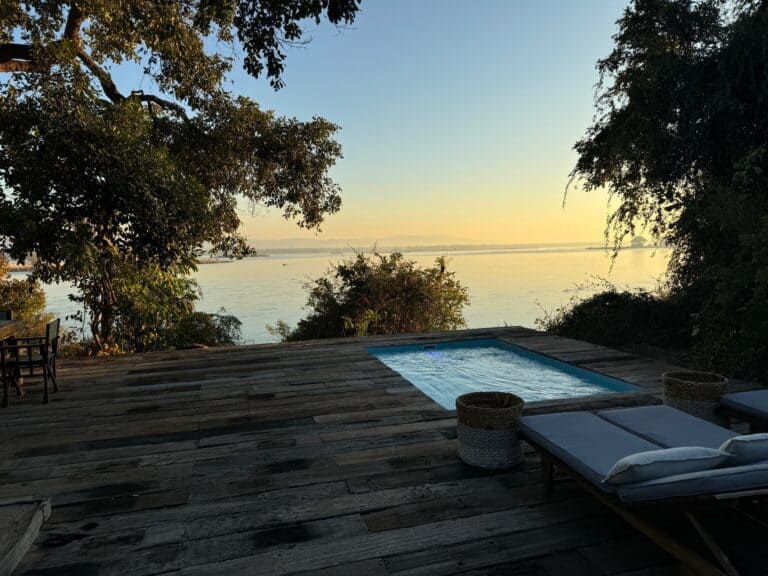
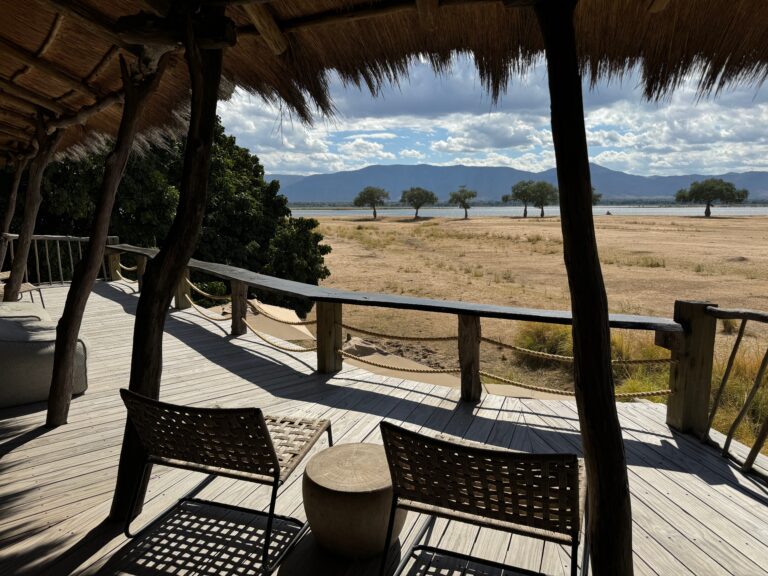
Tembo Plains is an absolutely beautiful camp, set right on the Zambezi, with views across the water from the tents and common areas. The tents are lovely, huge and extremely comfortable with all of the little touches you might hope for – plus some extras like a plunge pool, a pair of binoculars and a Canon camera body and lenses. The food was delicious and the common area featured an interactive kitchen; they also had a huge variety of gins. The staff were a lot of fun to get to know and service was excellent.
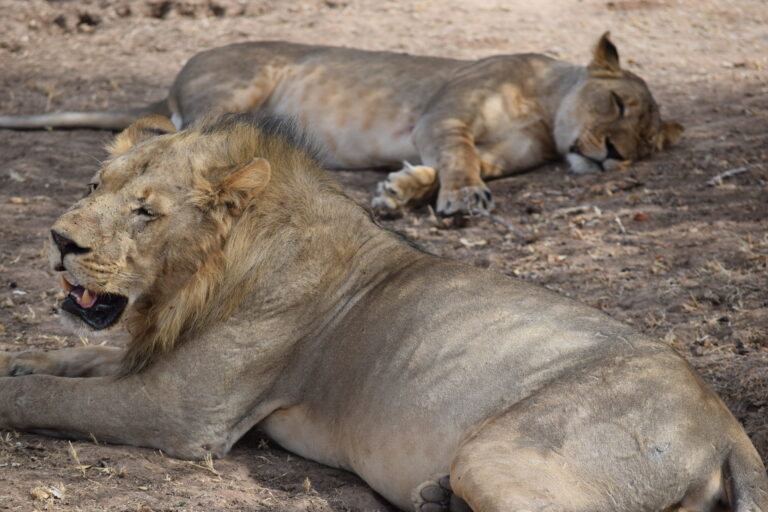
In the Sapi Reserve, the guides are allowed to drive off road and at night in the reserve. They are also allowed to do boating safaris on the river – none of which are allowed in the National Park. During my stay I saw lion, side striped jackal, lots of impala, eland, buffalo, zebra, and a gennet on a night drive; then lots of hippo, eles, crocs, and a monitor lizard from the water. My guide Mat reported that they see dogs, leopard and hyena with some regularity – and sightings will continue to improve as time goes on and the animals become more habituated.
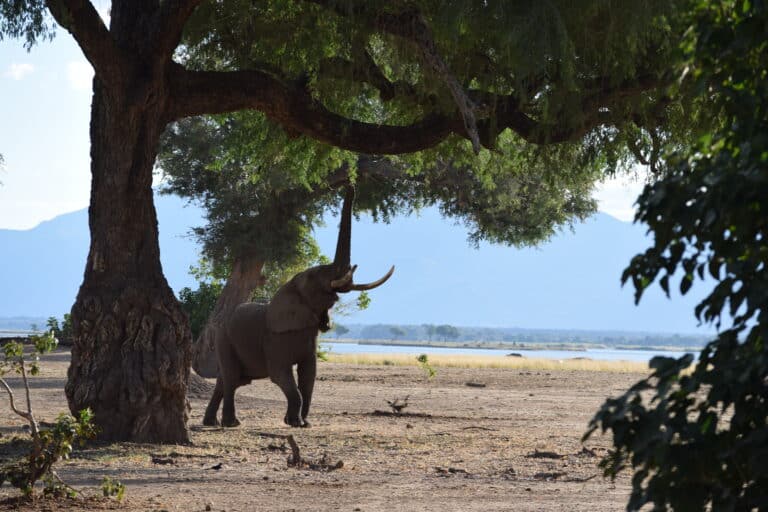
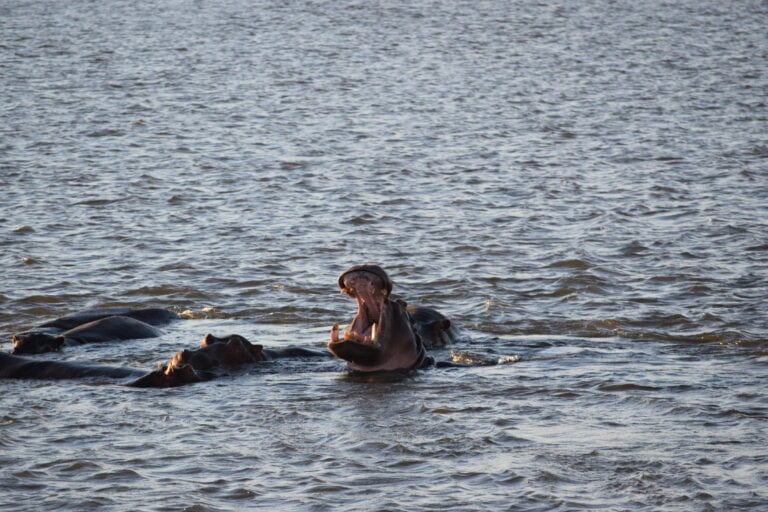
Next, I stayed at African Bush Camp’s Nyamatusi Camp, inside Mana Pools National Park. This is another beautiful riverside camp with extensive common areas and a private plunge pool in each super comfortable room. The staff were great, and my guide here, Mash, was a long time veteran guide with a great laugh. This is also a fantastic place for sundowners – watching the hippos in the river while the sun sank below the horizon is a favorite memory. Mana Pools is the place where the massive bull elephants stand on their back legs to reach the ana tree pods – Boswell being the most famous, though others exhibit this behavior as well.
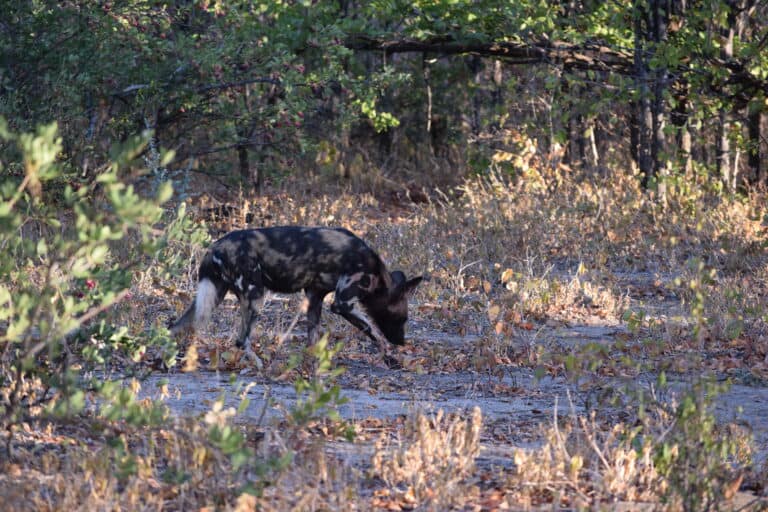
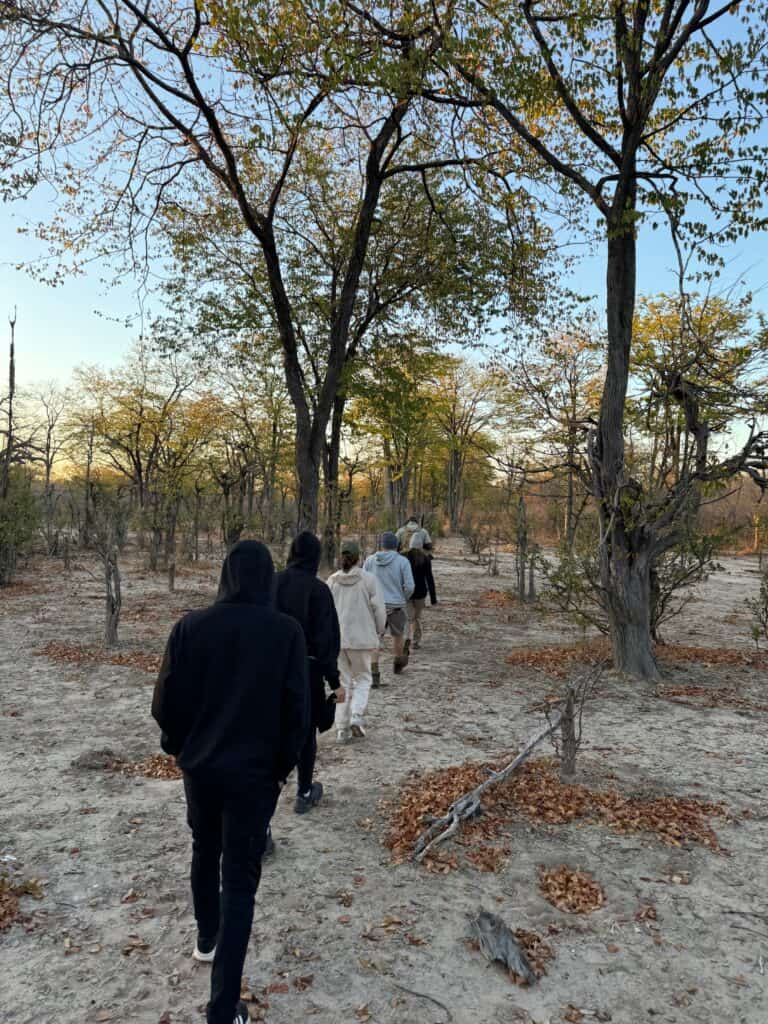
My highlight wildlife sighting was an early morning walk to a wild dog den to be with the puppies while they waited for the adults to come back with food – it was thrilling to be so close to them on foot! Hippos are common in the river, and a variety of antelope are found throughout the park; the flocks of lovebirds were a treat to see as well.
Overall, the wildlife viewing throughout the greater Mana Pools area was not as prolific as other safari destinations, but I did travel rather early in the season – August / September would be the best time of year to visit for peak wildlife viewing.
Who this park is best for: