By Katt Hendershot, Operations Specialist for The Wild Source
Getting ready for an African safari or dreaming about one? You’ll probably hear plenty of new words while you’re out in the bush or researching for your trip. Here’s your A to Z safari glossary to help you keep up with the lingo.
Asante Sana – Swahili for “Thank you very much.”
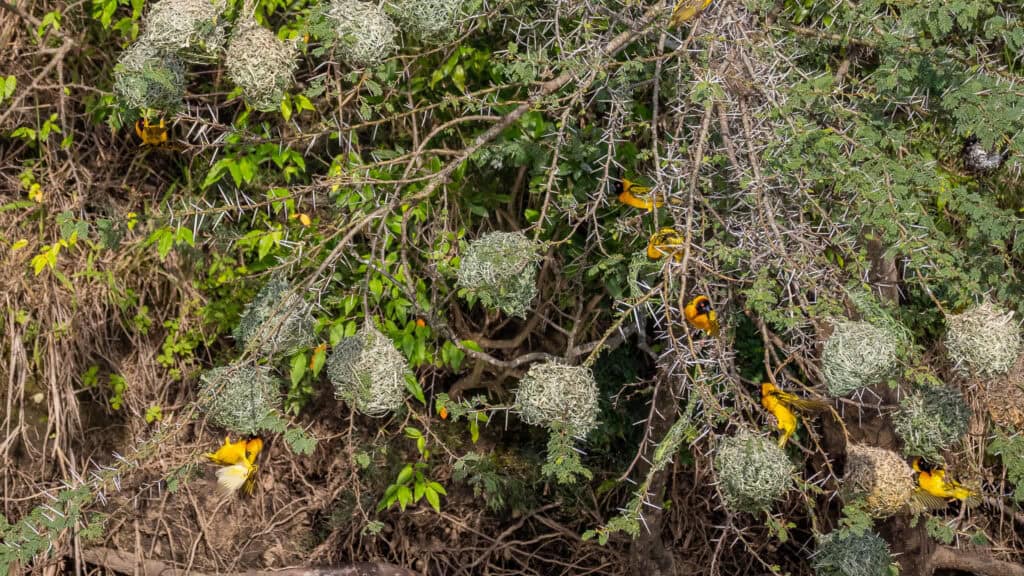
Acacia – Iconic African tree, often with flat-topped branches and sharp thorns for protection, common in savannas.
Binos – Often abbreviated to “binos,” binoculars are a safari essential. Read our blog post to learn how to pick the right pair.
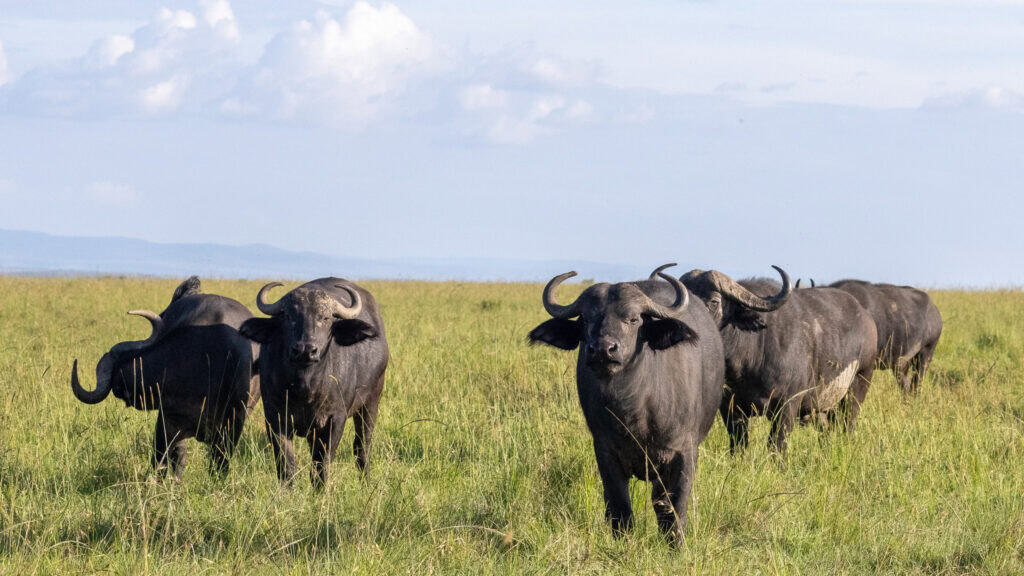
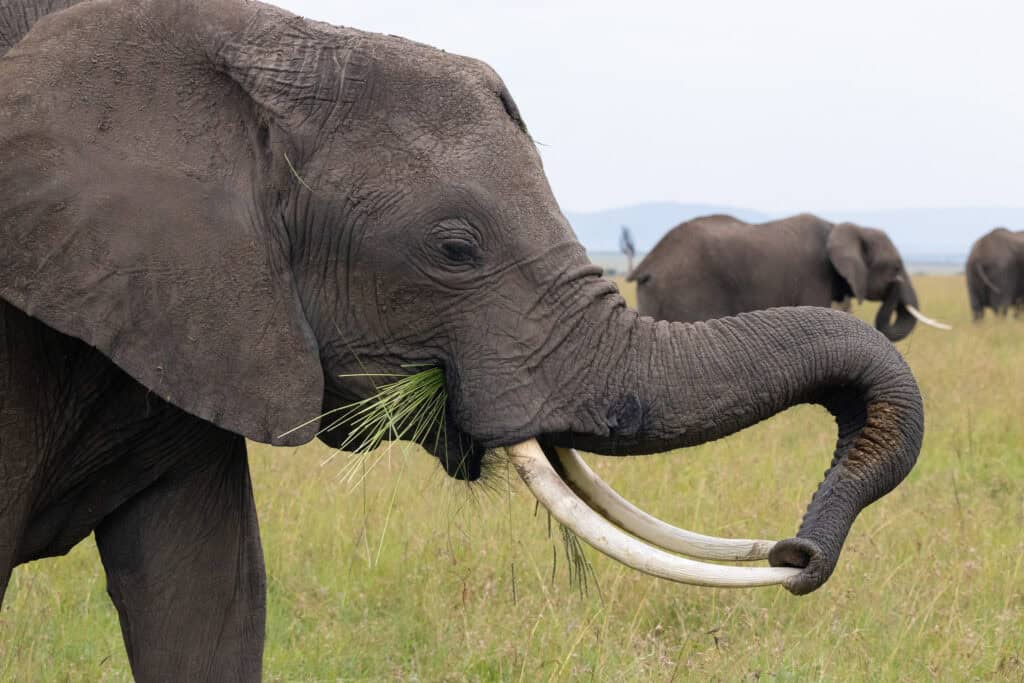
Big 5 – Originally the most dangerous animals to hunt on foot (lion, leopard, elephant, buffalo, rhino), now iconic symbols of African wildlife.
Bush Walk – A walking safari led by an experienced guide and armed ranger.
Bucket Shower – A safari shower that looks like a regular indoor shower, but water is heated and supplied by staff using a bucket system.
Game Drive – A safari in a vehicle to see wildlife.
Game – Wildlife encountered on safari.
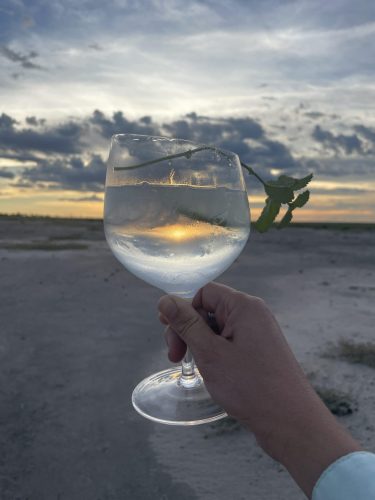
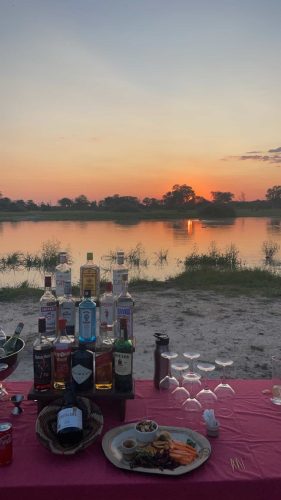
Gin & Tonic (G&T) – Classic safari cocktail, originally popularized in colonial Africa to make malaria tonic more palatable.
Great Migration – Annual movement of millions of wildebeest, zebras, and other animals across the Serengeti-Mara ecosystem.
Green Season – The rainy period in Africa when landscapes are lush and wildlife is active, offering lower prices and fewer crowds, though rain and thicker foliage can make animals harder to spot.
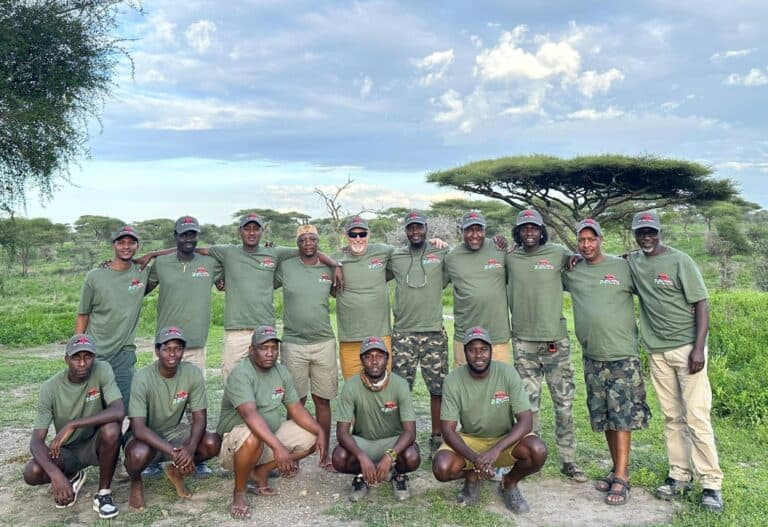
Khaki Fever – Feeling extremely attracted to a khaki-clad ranger or guide while on safari.
Kopje – A small, rocky hill or outcrop rising from the savanna, often used by animals for shelter or lookout points.
Karibu – Swahili for “Welcome,” commonly used to greet visitors in East Africa.
Mokoro – A traditional dugout canoe used to navigate waterways like the Okavango Delta; guided by a poler using a long wooden pole.
Maasai – A semi-nomadic ethnic group in Kenya and Tanzania, known for their distinctive dress, beadwork, and connection to the savanna and wildlife.
Mobile Camp – A temporary safari camp that can be moved, often following wildlife migrations or remote locations.
Pole Pole – Swahili for “slowly” or “take it easy.”
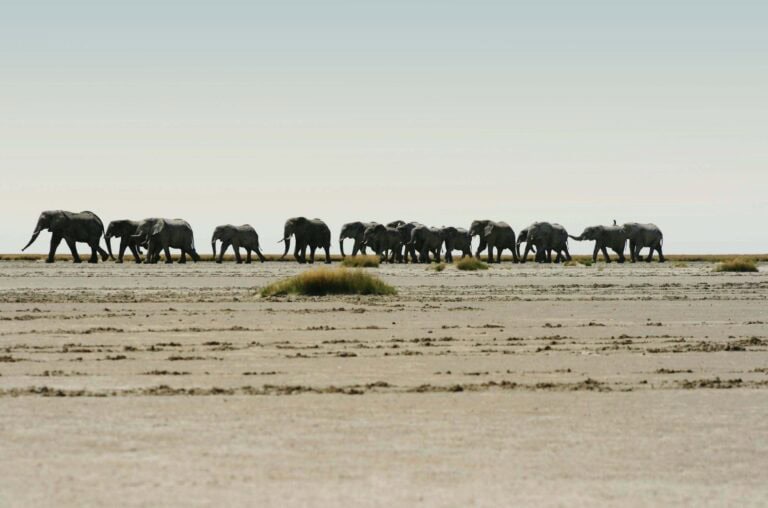
Pan – A flat, often salt-encrusted depression in the landscape, sometimes holding water after rains.
Sundowner – A drink enjoyed at sunset, often a relaxing moment on safari.
Safari – From Swahili for “journey,” originally big-game hunting trips, now trips to observe wildlife.
Simba – Swahili for “lion.”
Star-Bed – An open-air safari bed, often with a mosquito net, allowing guests to sleep under the stars while safely enjoying the wilderness.
Tented Camp – Safari accommodation made up of canvas tents, often on raised platforms.
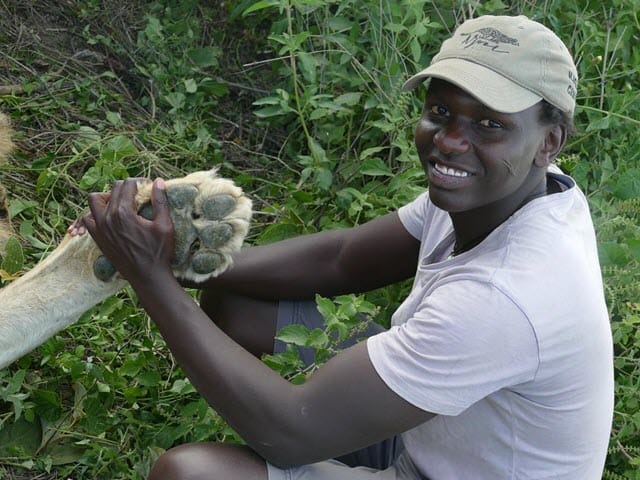
Tracker – A skilled guide who reads animal tracks and signs to locate wildlife and navigate the bush.
TseTse Fly – A biting fly found in parts of Africa.
Zulu – An ethnic group in South Africa, known for their rich culture, history, and language, also called isiZulu.